
Last updated September 20, 2026
Full 25-point door and opener safety check with every visit - springs, cables, rollers, tracks, and your LiftMaster or Chamberlain opener included
You get a price before we start. It does not change when the truck arrives.
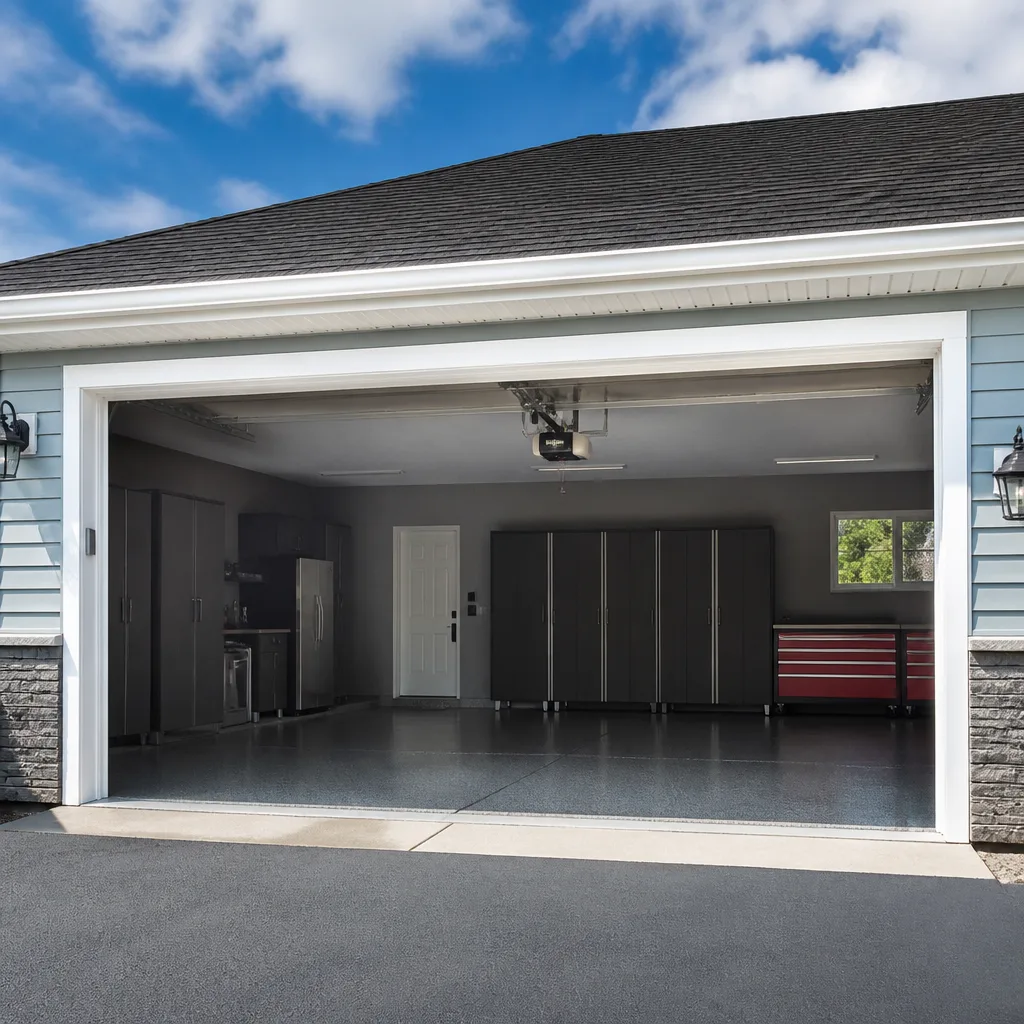
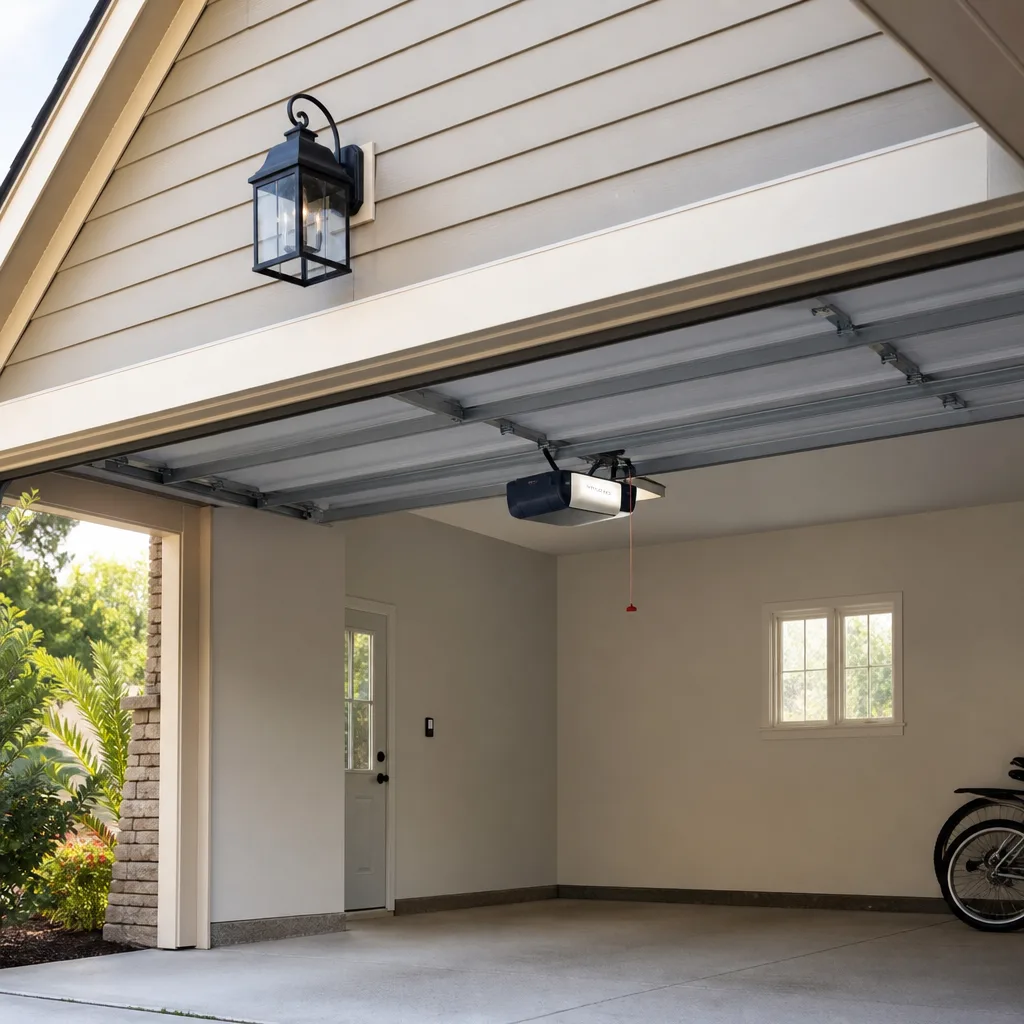
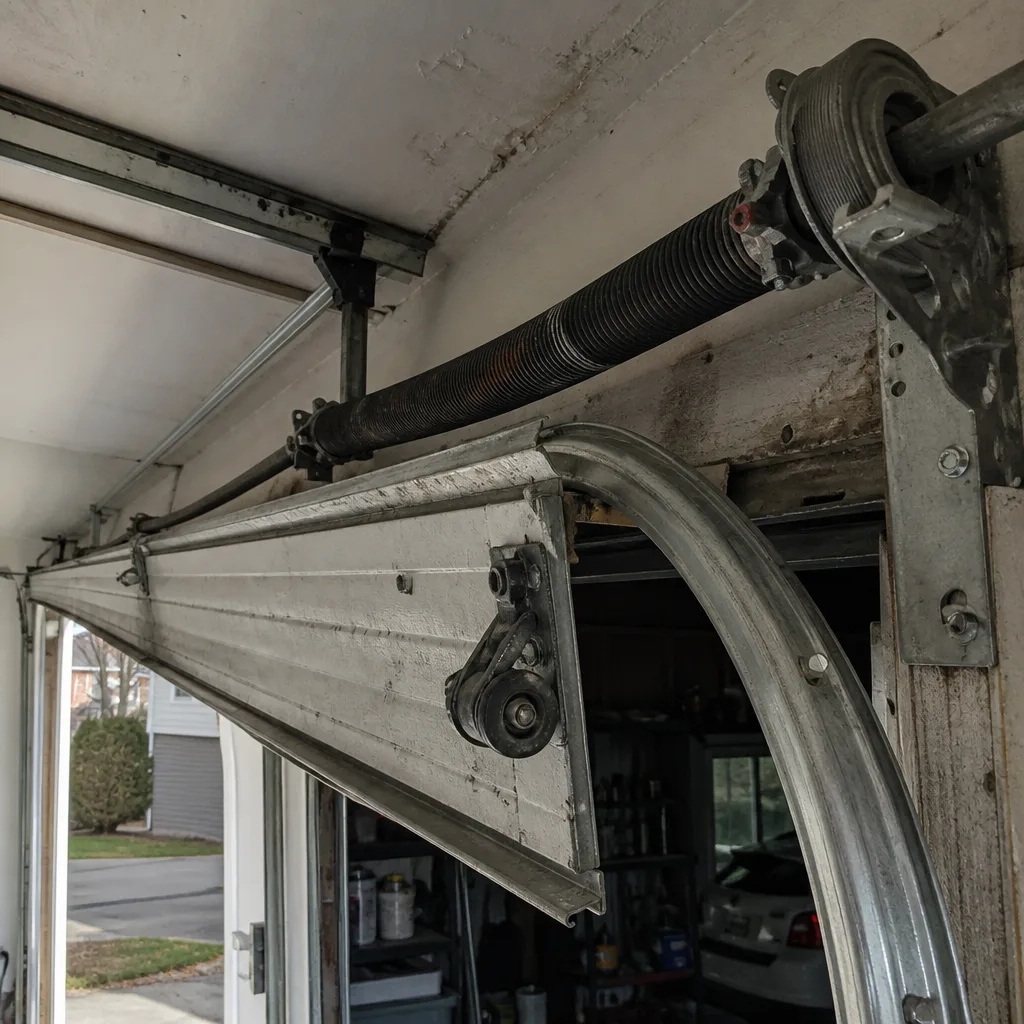 Before
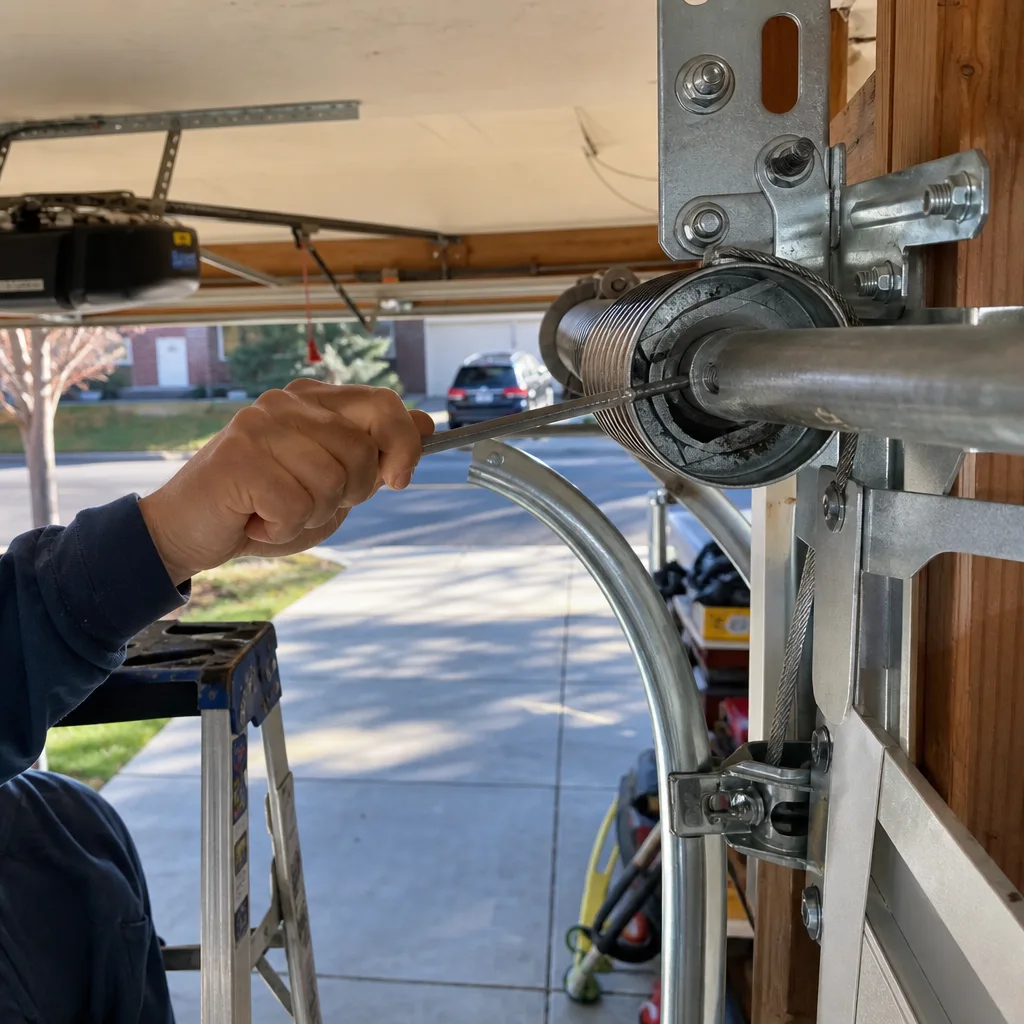 After
After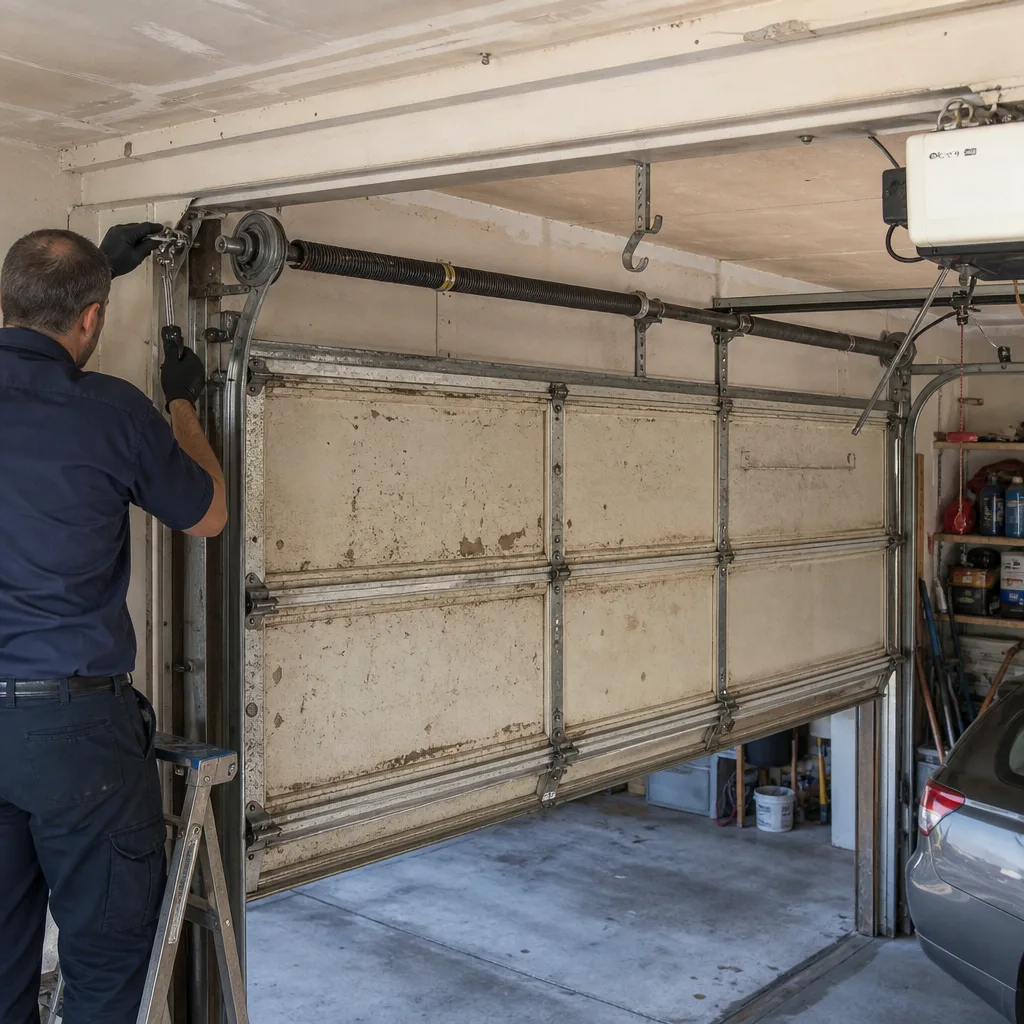 Before
 After
After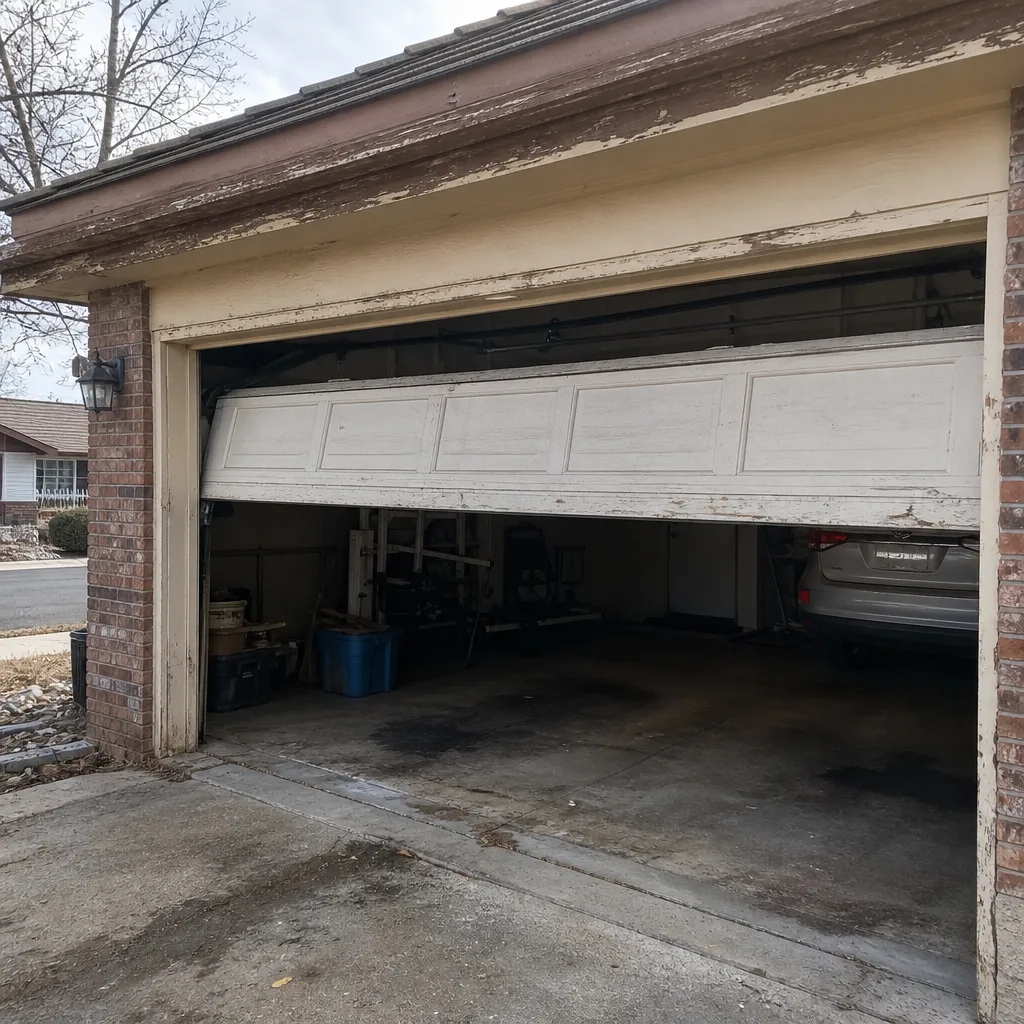 Before
 After
AfterSeasonal Garage Door Care for Littleton: Year-Round Homeowner’s Guide
March is the busiest month for garage door spring failures along Colorado’s Front Range, and the reason has little to do with winter wear. Torsion springs hold tension constantly, whether the door moves or not. What a Littleton winter actually does is cycle the metal through repeated contraction and expansion as overnight lows dip toward single digits and afternoon sun pushes fifty. The springs that break in March were already near the end of their rated cycle life. The temperature swings simply finish the job faster. This guide maps out the three-week windows when a thirty-dollar maintenance task prevents a four-hundred-dollar repair, season by season, for homeowners in Littleton and the surrounding south metro. For The Complete Guide to Garage Door in Littleton, see our main resource page.
Quick Answer
Seasonal garage door care in Littleton means doing five specific tasks at specific times: replacing the bottom seal before the ground freezes in late October, re-lubricating with a low-temperature grease in November, running a manual disconnect test every season change, re-evaluating torsion spring tension after the last hard freeze in April, and adjusting thermal expansion clearance on steel doors in June. Each task costs under thirty dollars in parts or takes under fifteen minutes, and each one prevents the specific failure mode that Littleton’s climate produces at that time of year.
Table of Contents
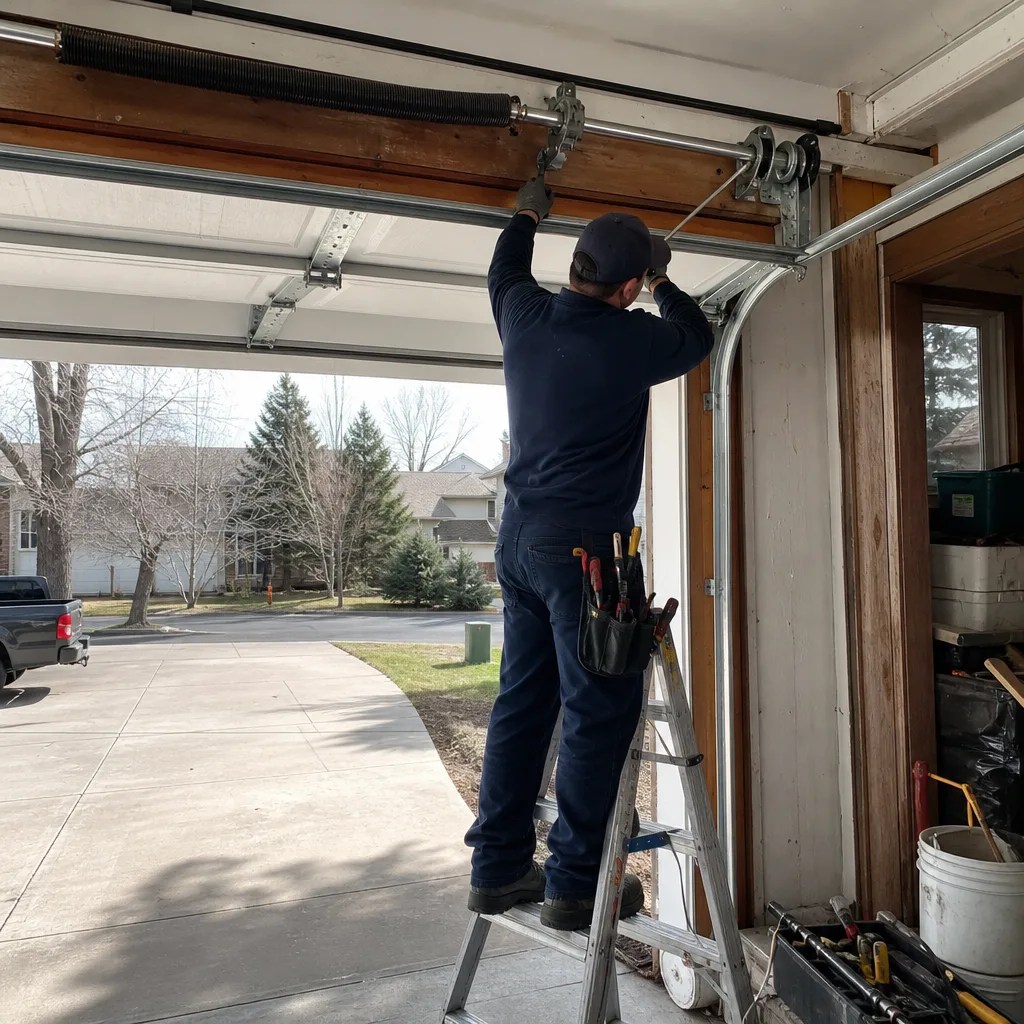
- Fall: The Pre-Freeze Checklist That Prevents January Emergencies
- Winter: Why Grease Viscosity Causes Slow-Door Diagnostics in January
- Spring: The Post-Winter Inspection Sequence and Torsion Spring Reality
- Summer: Thermal Expansion Tolerances on Steel Doors
- The Manual Disconnect Test: The One Task Before Every Season
- What Littleton’s Climate Does to Garage Door Components
- The $30 Versus $400 Timeline: When to Act
- Common Mistakes to Avoid
- When to Call a Professional
- Frequently Asked Questions
- The Bottom Line
 Before
 After
AfterFall: The Pre-Freeze Checklist That Prevents January Emergencies
The most expensive garage door repair in Littleton is not a broken spring. It is a door that freezes to the concrete slab overnight and rips its own bottom seal off when the opener forces it upward the next morning. We see this every January in neighborhoods from Ken Caryl to Southglenn, and the damage is almost always preventable with a ten-minute inspection in late October.
The failure sequence works like this: a worn bottom seal lets moisture sit against the slab. The temperature drops below freezing. That moisture bonds the rubber seal to the concrete. The opener, which has no idea anything is wrong, pulls with enough force to tear the seal or bend the bottom panel. By the time the homeowner notices, they need a new bottom seal, sometimes a new bottom panel, and an opener that may have burned through its gear trying to free a door that wasn’t going to move.
Here is the fall checklist we recommend for every Littleton homeowner:
- Replace the bottom seal before the ground freezes. A new rubber or vinyl bottom seal costs $25 to $40 for the material. The ground in Littleton typically hardens during the second or third week of November. If your seal is cracked, flattened, or no longer presses evenly against the slab when the door is closed, replace it while the rubber is still pliable enough to work with.
- Clear the track channels of debris. Cottonwood, pine needles, and gravel accumulate in the vertical tracks over summer. Anything sitting in the track when the first snow arrives gets frozen into place and causes the rollers to bind. Wipe the tracks clean and check that each roller spins freely.
- Tighten every bolt on the hinge plates and track brackets. The expansion and contraction of cold nights and warm days works bolts loose over the course of a year. A door with a loose hinge plate sounds louder and wears rollers faster. Use a socket wrench on every visible bolt and make note of any that will not tighten because the metal around them has elongated.
- Test the safety sensors after raking season ends. Leaf dust, spider webs, and the fine grit of decomposed granite from Littleton yards all reduce the sensor’s ability to see the beam. Clean both lenses with a dry cloth and verify the door reverses when you pass something through the beam.
Running through this list takes under an hour and costs nothing unless the seal needs replacement. The alternative is discovering in January that your garage has become a walk-in freezer and your door is bonded to the ground.
Winter: Why Grease Viscosity Causes Slow-Door Diagnostics in January
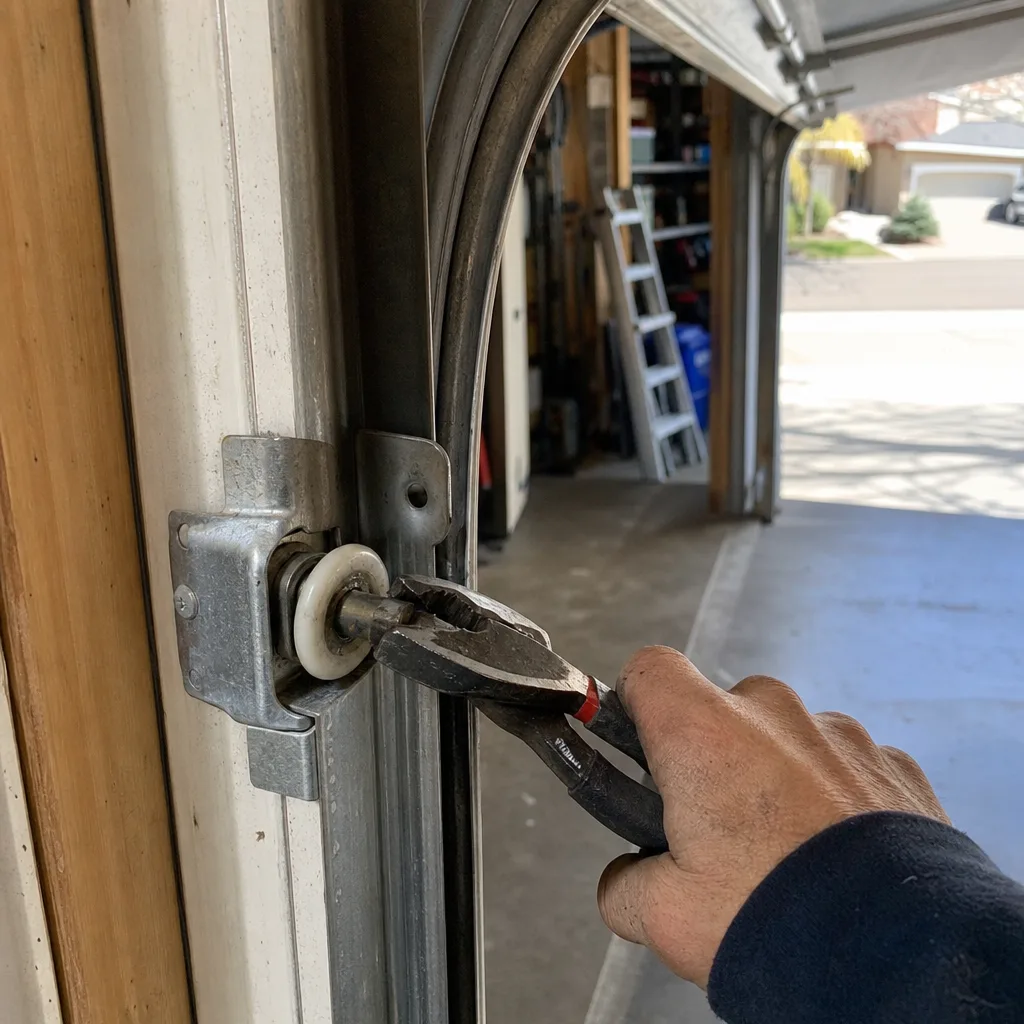
In January, the most common service call we get in Littleton sounds like this: “The opener runs, but the door moves like it’s pushing through molasses.” The homeowner assumes the opener is dying. Nine times out of ten, the opener is fine. The grease on the torsion spring and the rollers has thickened to the consistency of cold peanut butter.
Standard lithium grease is rated to flow properly down to about 20°F. Below that, its viscosity climbs sharply. On a Littleton morning when the ambient temperature in an uninsulated garage is 12°F, the grease on the torsion spring becomes a drag force rather than a lubricant. The opener’s motor draws more current to compensate, the logic board sees the higher draw as resistance, and the door crawls upward. The diagnostic report from a LiftMaster or Chamberlain opener will sometimes flag this as a force limit issue, which sounds like an opener problem. It isn’t. It is a lubrication problem caused by the wrong product for the climate.
What to do instead:
- Use a white lithium grease or a synthetic garage-door grease rated for sub-zero operation. Apply it to the torsion spring coils, the hinges, and the roller stems in November, not January. The grease needs to be in place before the cold arrives so it has already coated the wear surfaces.
- Do not use WD-40 on a garage door. It is a solvent, not a lubricant, and it strips the grease that is already there. This is the single most common winter maintenance mistake we document in our photo records.
- If the door still moves slowly after proper lubrication, the problem may be the opener’s force settings, not the grease. Have someone evaluate the opener before assuming the motor is finished.
The difference between a properly lubricated door in January and one running on summer grease is measurable: a healthy opener should raise the door in eight to ten seconds. If yours takes fifteen, the grease is the first thing to check, and it is a five-minute fix that costs under ten dollars.
Spring: The Post-Winter Inspection Sequence and Torsion Spring Reality
By the time Littleton’s last hard freeze passes in mid-April, your torsion springs have spent five months cycling through temperature swings that routinely exceed forty degrees in a single day. The metal fatigues. Cracks begin at the coil surface where the spring wire was wound under tension, and because torsion springs hold load even when the door is closed, those cracks propagate without any visible change in how the door operates. Until the spring breaks.
Here is the uncomfortable truth: you cannot visually confirm that a torsion spring is healthy. A spring at 80 percent of its rated cycle life looks identical to a spring at 20 percent. What you can do is perform a structured post-winter evaluation that catches secondary damage before it becomes a bigger bill:
- Run the door through a full cycle and listen. A popping sound from the spring cone is the earliest audible warning of coil separation. Do not ignore a new noise in April that wasn’t there in October.
- Inspect the spring for rust at the coils. Rust is not cosmetic on a torsion spring. It creates a stress riser, a point where the metal’s structure is interrupted, and that is where the break will eventually happen. A rusty spring on a Littleton door that is seven or more years old is a candidate for replacement before it fails during a cold snap when you actually need the door.
- Check the balance after the temperature stabilizes. Disconnect the opener using the red manual release cord and lift the door by hand to waist height. It should hold position. If it drops, the spring tension has shifted over the winter and needs adjustment. If it rises, the springs are over-tensioned and will wear faster.
- Re-evaluate spring tension as a scheduled task, not a reactive one. Colorado winters cycle the metal through more expansion and contraction in one season than a coastal garage door sees in a decade. If your springs were installed more than six years ago and the door has been through four or more full Littleton winters, have the tension checked and the spring cycle count estimated. A garage door repair in Littleton is always cheaper as a planned replacement than as a failed-spring call in March.
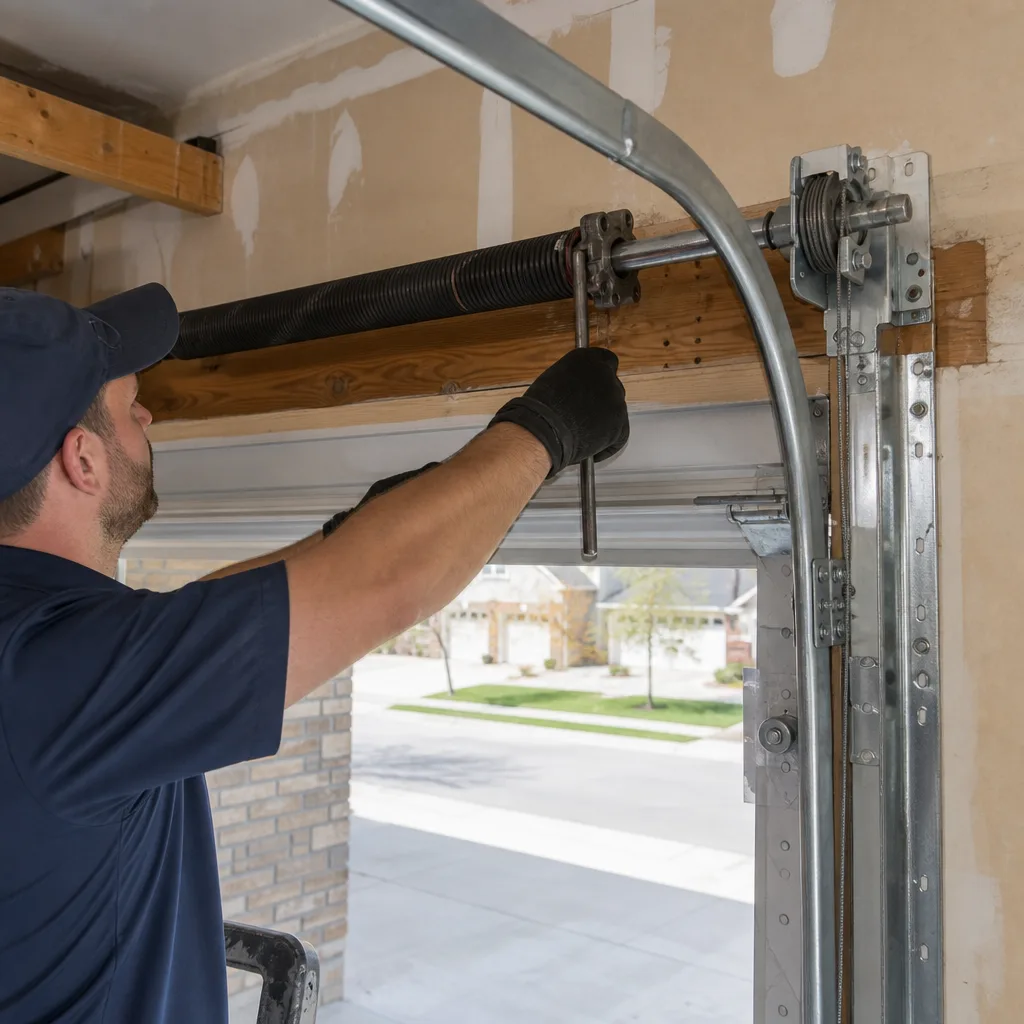
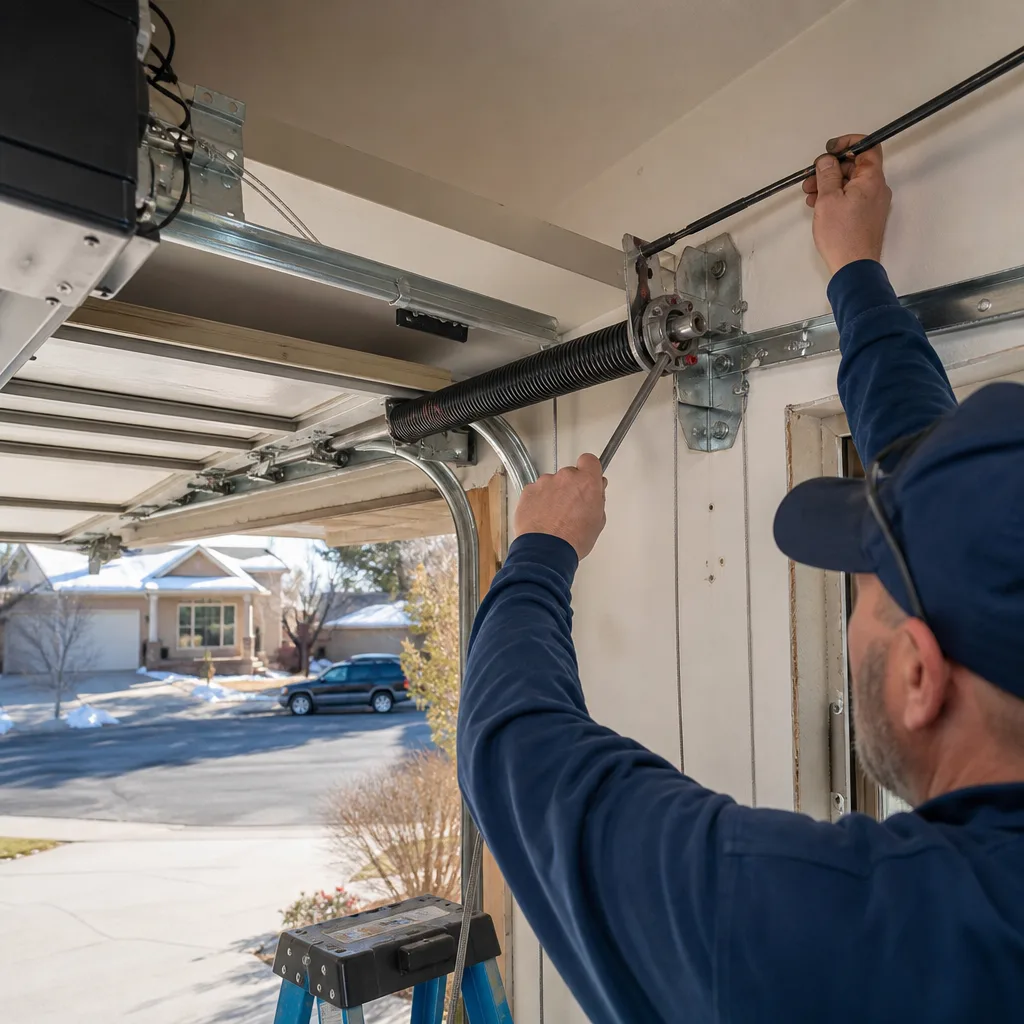
We photograph every spring we inspect, including close-ups of any rust or coil separation, so the homeowner sees exactly what we saw. That practice came out of a founding rule at Servo Garage Doors Littleton home: the customer sees the failed part before anyone quotes a replacement. It is Clause 4 of The Haven Standard, the documentation system our business operates under.
Summer: Thermal Expansion Tolerances on Steel Doors
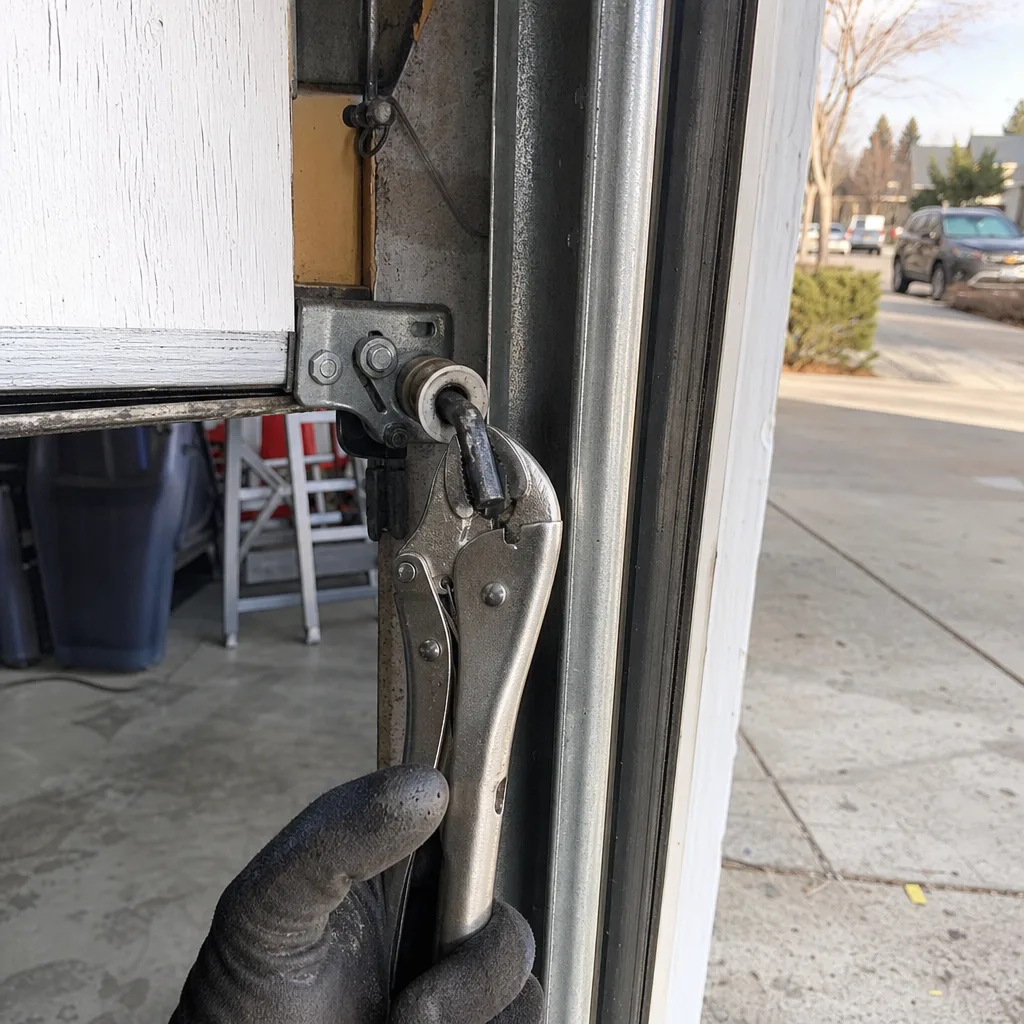
A 16-foot steel garage door is a heat sink. On a 95°F Littleton afternoon, the metal panels absorb solar radiation and expand measurably across their width. A door that is set too tight against the frame in winter will bind in July, and a door with generous summer clearance will leak air in January. The right gap changes with the season, and most Littleton doors are never adjusted for either one.
Here is what to measure:
- The gap between the door edge and the vertical track/frame on each side. In summer, steel doors need approximately 1/8 inch of clearance on each side to accommodate thermal expansion. In winter, the same door can run with half that. If your door scrapes against the frame only on hot afternoons, it is set for winter clearance.
- The top edge of the door against the header seal. A door that gaps visibly at the top in summer has panels that are expanding outward. This is normal, but it tells you the door was hung from the top brackets, not the bottom, or that the track spacing was set too wide.
- The bottom seal contact line. On a hot day, run a piece of chalk along the slab where the seal meets the concrete. Close the door, open it, and check whether the chalk line is interrupted. An uneven contact pattern in summer usually means the door was adjusted for winter conditions and one side now sits high.
If the measurements show the door is binding only in summer, the fix is a track adjustment, not a new door. Track brackets are slotted for exactly this reason. A technician can move the tracks outward by an eighth of an inch and the problem disappears. The same technician should also check the springs, because a door that binds against the frame puts additional load on the opener’s travel limits and the spring tension.
This is the kind of measurement we take on every garage door installation in Littleton and on every service visit. The numbers go in the photo record the customer receives, so the adjustment is documented, not described from memory.
The Manual Disconnect Test: The One Task Before Every Season
There is one maintenance task that should happen before every seasonal change, regardless of what the weather is doing, and it takes less than one minute.
Pull the red manual release cord on the opener. It hangs from the trolley carriage, the metal housing that moves the door along the rail. When you pull it, the carriage disconnects from the drive chain or belt, and the door can be moved by hand. Lift the door to waist height. It should hold position without help. Then raise it all the way and lower it all the way. It should move smoothly, without binding, and without feeling significantly heavier than it did last season.
What this test reveals:
- If the door drops when you let go at waist height, the torsion spring tension is too low. The door is under-sprung, which means the opener is doing the lifting work the spring should be doing. That overworks the opener’s motor and gear, and it is the most common predecessor to opener failure.
- If the door rises on its own, the springs are over-tensioned. The door is over-sprung, which accelerates spring fatigue and shortens their cycle life. Both conditions are adjustable, but neither will show up on the opener’s diagnostic display.
- If the door is hard to move by hand, the problem is mechanical: track alignment, roller wear, or lubrication. Not the opener. The manual test isolates opener issues from door issues, which is why it is the first step in any diagnostic sequence.
Run this test in late October, late December, mid-April, and early July. Four times a year. If the result changes from one season to the next, the mechanical condition of the door has changed, even if nothing looks different from the outside.
What Littleton’s Climate Does to Garage Door Components
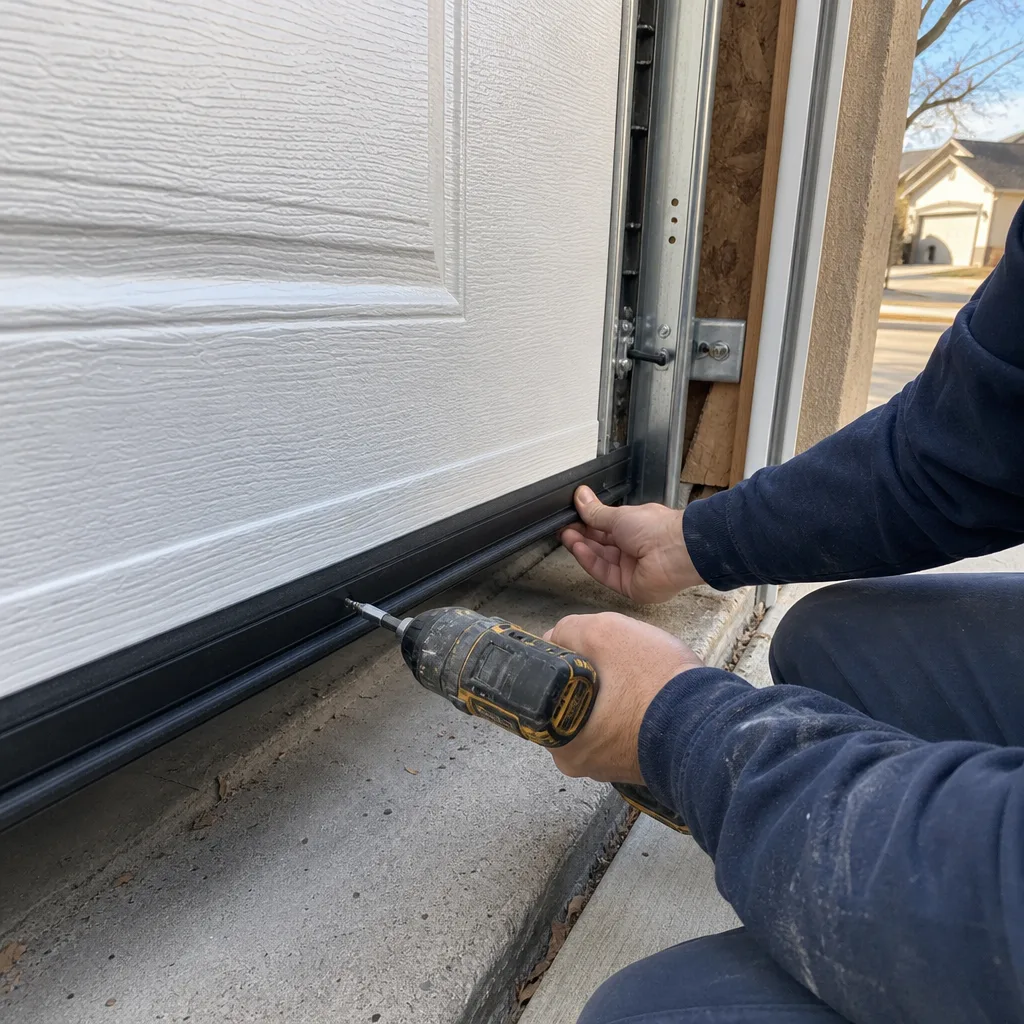
Littleton sits at 5,351 feet with a semi-arid climate, but the number that matters for garage doors is the diurnal temperature range: the gap between overnight lows and daytime highs. In October and April, that gap routinely exceeds 35°F. No garage door component was designed for that range. They are designed for the average, and the average hides the failure mechanism.
Component-by-component, what Littleton’s climate actually does:
- Torsion springs: The repeated expansion and contraction cycle from 25°F nights to 60°F days creates micro-fractures at the coil surface. Each full cycle of the door adds mechanical stress on top of that thermal stress. A spring rated for 10,000 cycles in a mild climate might effectively deliver 7,000 in Littleton. This is why we recommend evaluating springs after five winters, not seven, as a scheduling rule rather than an emergency response.
- Bottom seals: The combination of freeze-thaw cycles and the heavy clay content in Littleton-area soil means slabs shift slightly over the course of a winter. A seal that was compressed evenly in October may have a visible gap under one corner by February. That gap is an entry point for cold air, snow melt, and rodents.
- Opener logic boards: Power surges from spring thunderstorms along the Front Range are a documented cause of logic board failure in LiftMaster, Chamberlain, and Genie openers. Surge protectors are a ten-dollar part. Logic boards are not.
- Steel door panels: The high UV exposure at elevation fades powder-coat finishes faster than the manufacturer’s warranty expects. Fading is cosmetic. The more serious issue is heat absorption: a dark-colored steel door in direct summer sun can reach surface temperatures 50°F above ambient, and that heat transfers into the garage through the panel joints.
- Wayne Dalton and Raynor hardware: The stamped metal brackets and roller carriers on some Wayne Dalton and Raynor models use lightweight gauge steel that expands and contracts more than heavier gauge hardware. We see more loosened bracket bolts on these brands in Littleton than on heavier commercial-style hardware.
None of this is fatal if the maintenance happens at the right time. That is the entire argument of this guide: timing determines cost.
The $30 Versus $400 Timeline: When to Act
The same garage door problem costs thirty dollars in October and four hundred dollars in March. The difference is which side of the season transition you act on. Here is the complete timeline for Littleton, with the intervention windows marked:
- Late October to early November (act window: $25-$40): Replace the bottom seal, lubricate the springs and rollers with low-temp grease, tighten the hardware. This is the highest-value maintenance window of the year.
- Mid-November to late December (reaction window: $150-$300): The ground is frozen, the seal is bonded to the slab, and the door rips itself free on a cold morning. A new seal plus labor, or a seal plus a bent bottom panel if the opener won. That panel is the expensive part.
- Late December to late February (reaction window: $300-$500): This is spring failure season, but it starts before the calendar says spring. A torsion spring that breaks in January when you need the car to get to work is a same-day emergency call, not a scheduled replacement. The spring itself costs $180 to $340 installed, but the urgency means you are paying for the failure, not the part.
- Early March (peak failure window: $350-$500): The highest-volume service call month on the Front Range. Rapid temperature swings finish off tired springs. If your springs have survived five or more Littleton winters and you haven’t had them evaluated, you are statistically in the danger window right now.
- Mid-April to mid-May (act window: $90-$200): The post-winter tension check and balance adjustment. If the springs are still healthy, a tension adjustment is a fraction of the cost of a replacement. If they aren’t, replacing them in April is a planned expense, not an emergency.
- June to mid-July (act window: $80-$150): The thermal expansion track adjustment. Five minutes of track adjustment prevents a summer of binding and uneven roller wear.
Every one of these numbers is a price range we quote in writing before work starts, because that is the system we built the business around. Clause 1 of The Haven Standard is simple: a flat, written price and a written scope are delivered before any work begins, on every job, with no exceptions. The customer knows the price before the first tool comes out of the truck.
Common Mistakes to Avoid
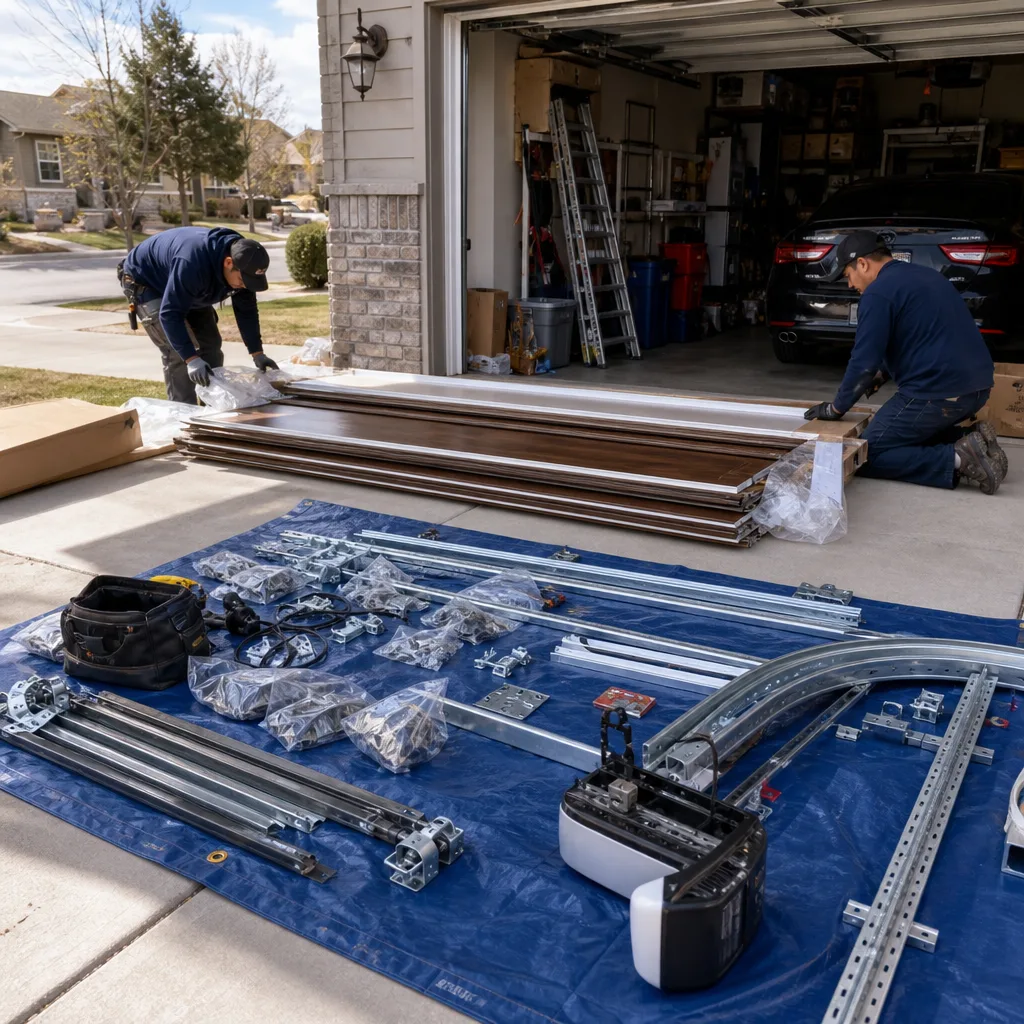
- Lubricating the track. The track is where the rollers roll, and it should be clean and dry. Grease on the track collects cottonwood fiber and dust into a paste that binds the rollers. The metal-on-metal contact points that need lubrication are the torsion spring coils, the hinge pins, and the roller stems, not the track surface.
- Using WD-40 on the springs. WD-40 is a solvent and a water displacer. It strips grease off the coils and leaves the spring with nothing protecting the metal. The spring rusts faster, and the rust creates the stress riser that becomes the break. This is the single most common maintenance error we document in our photo records on service calls across Littleton.
- Ignoring a slow door in January because it “still works.” A door that takes twice as long to open is telling you the opener is working against resistance. That resistance is some combination of thickened grease, binding track, or failing spring tension. Waiting until it stops working entirely turns a maintenance visit into an emergency repair.
- Watching a YouTube tutorial for torsion spring replacement. Torsion springs are under enough tension to cause serious injury or death if the release procedure is done incorrectly. This is not a DIY job, and no video makes it one. The spring is measured, the replacement is matched to the door’s weight and lift radius, and the work is done with winding bars and proper bracing. A real expert flags the danger: hire a trained professional for spring work, period.
- Assuming the opener is broken when the door won’t move in winter. The most common January opener issue in Littleton is not a failed opener. It is a spring that has lost tension or a seal that has frozen to the slab, and the opener is doing exactly what it was told to do: stop when resistance exceeds its force limit. Diagnose the door before replacing the opener.
- Deferring the bottom seal replacement until spring because “it’s cold out.” The seal fails in winter. By the time spring arrives, the energy loss, the rodent entry, and the possible panel damage have already happened. The fix is a ten-minute replacement with a $30 part in October. In February, it’s a different conversation.
- Replacing the opener when the real problem is the door. We see this on second-opinion calls regularly. A homeowner gets a diagnosis of “bad opener” from one company, then calls us with a written estimate in hand. We run the manual disconnect test, find a mechanical door issue, and the opener is fine. The Free Second Opinion on any written estimate from another company exists for exactly this scenario, and it requires nothing more than bringing the paperwork.
When to Call a Professional
Torsion spring work is the hard line. If the spring is broken or needs tension adjustment, the job needs a trained technician with the right winding bars and the right measurement. The energy stored in a wound torsion spring is not a guess, and the failure mode is not forgiving.
Beyond springs, call a professional when the balance test reveals the door no longer holds position at waist height, when the door binds against the track only in certain weather, when the opener shows force-limit errors despite clean tracks and fresh grease, or when you find cracked panels, bent track brackets, or a seal that has separated from the retainer. The earlier the call, the smaller the invoice. Servo Garage Doors Littleton offers free estimates in Littleton, with a written price and written scope delivered before any work starts. Call (720) 636-7083.
Frequently Asked Questions
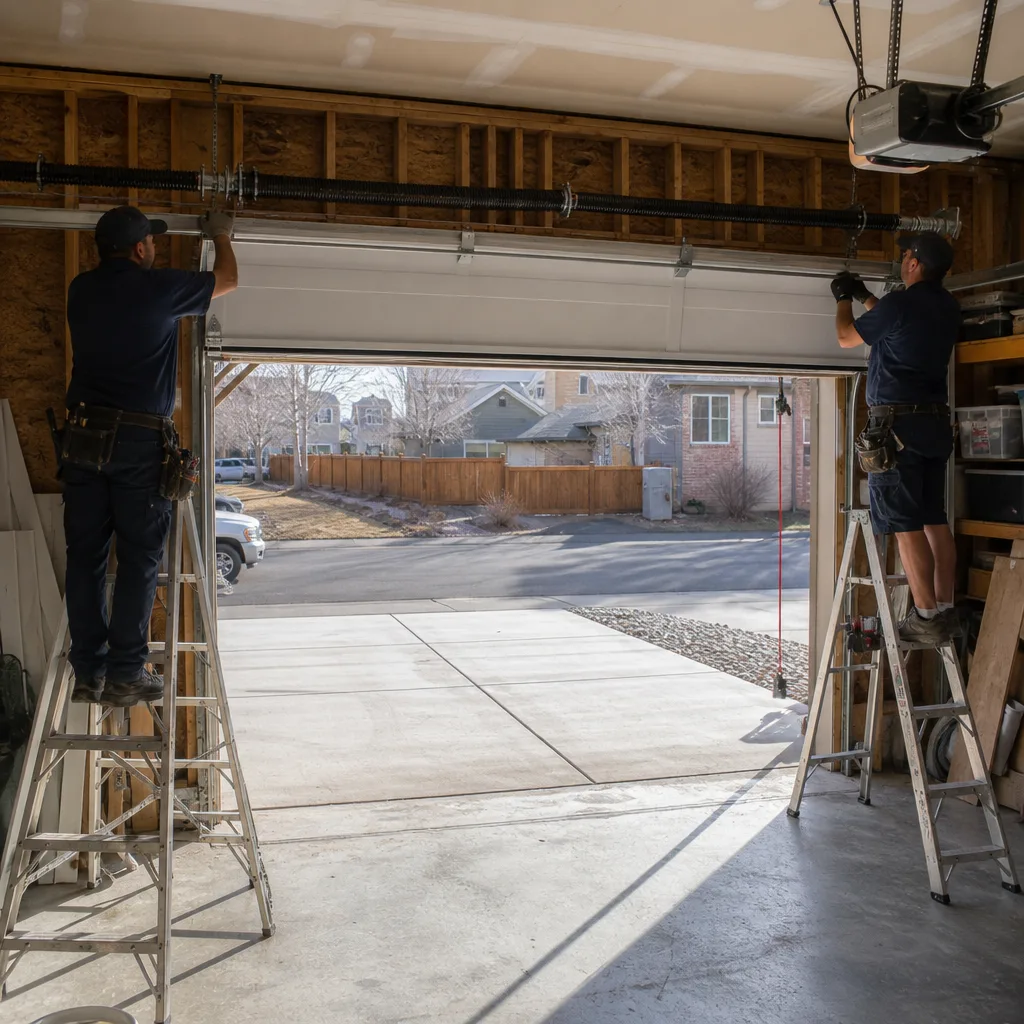
Seasonal maintenance on a garage door in Littleton costs between $90 and $200 for a service visit that includes lubrication, a full hardware tightening, a balance test, track inspection, and a written summary with photos. See our Garage Door Cost Breakdown: The Littleton Homeowner’s Reference for 2026 for detailed pricing on every common repair. For homeowners who do the basic maintenance themselves, the annual materials cost is $25 to $60, which covers a bottom seal and a can of low-temperature grease. Every price we quote is a flat, written price delivered before any work begins, per Clause 1 of The Haven Standard. Call (720) 636-7083 for an exact quote based on your door - estimates are free.
In the majority of Littleton winter service calls, a slow-moving door is caused by grease that has thickened below its rated operating temperature. Standard lithium grease stops flowing properly around 20°F, and an uninsulated garage on a cold January morning is well below that. The opener draws more current to overcome the resistance, which slows the door and sometimes triggers force-limit diagnostics on LiftMaster or Chamberlain openers. The fix is a re-lube with a low-temperature synthetic grease, which takes five minutes.
Garage door springs along the Front Range break most often in March. The rapid temperature swings of early spring, when overnight lows and daytime highs routinely differ by 35°F or more, accelerate metal fatigue in springs that have already accumulated five or more years of thermal cycling. The break is the final event, not the first sign of trouble. That is why we recommend a spring evaluation after five winters in the Littleton climate, even if the door seems to operate normally.
Yes, most seasonal maintenance is DIY-friendly. Replacing a bottom seal, lubricating springs and hinges with the right grease, tightening hardware, cleaning tracks, and running the manual disconnect test are all safe homeowner tasks that take under an hour combined. The hard exception is torsion spring work: springs under tension require winding bars, correct measurement, and a procedure that is dangerous to learn from a video. For springs, hire a trained professional.
A bottom seal on a Littleton garage door should be replaced every two to three years, and always before the ground freezes in late October. The freeze-thaw cycles and heavy clay soils in the south metro shift slabs slightly over the winter, which means a seal that was even in October may have a visible gap by February. Replacing the seal before the first hard freeze prevents the door from bonding to the slab and ripping the seal off, which is the most common preventable January repair we see. Call (720) 636-7083 for a written price on seal replacement.
Yes. Servo Garage Doors Littleton performs full seasonal inspections as part of a service visit: we run the manual disconnect test, check spring tension balance, measure track clearance, inspect the bottom seal and weather stripping, lubricate all wear points with low-temperature grease, and document every finding with photos. The customer receives the photo record and a written summary before leaving the driveway. Every inspection closes with a flat, written price for any recommended work, before anything is scheduled.
The Bottom Line
Littleton’s garage doors fail on a schedule, and that schedule is set by the climate. The bottom seal fails in November if it isn’t replaced in October. The grease thickens in January if it wasn’t swapped in November. The springs break in March if they weren’t evaluated after five winters. The door binds in July if the tracks weren’t adjusted in June. Each failure has a cheaper, planned counterpart that costs a fraction of the emergency version. Run the manual disconnect test at every season change. Replace the seal before the ground freezes. Use the right grease. And if you find something wrong, get a written price before you agree to anything. That is how garage door repair in Littleton should work, every time, on every job.
Written by Marcus Deller, Owner at Servo Garage Doors Littleton, serving Littleton since 2015. Browse more guides & resources for year-round garage door care.